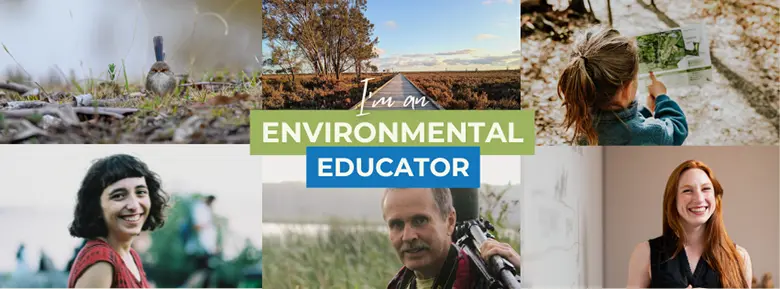

Who is an Environmental Educator?
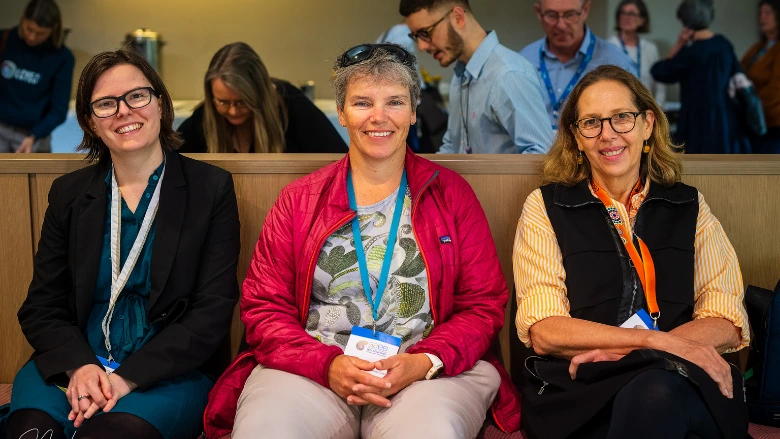
By Amy Matheson, AAEE Marketing Officer
People find their way to AAEE in all sorts of ways.
For some, it’s through a colleague or a friend. For others, a conference invitation sparks their curiosity.
Earlier this year, as part of a series of member interviews, we spoke with one member who first heard about AAEE through a local revegetation project she’d begun volunteering on. Some of her fellow volunteers had just returned from the Wollongong Conference (it was 2023) and couldn’t stop talking about it.
At the time, she wasn’t sure it was for her. She wasn’t a teacher or scientist, her background was in landscape design, and her passion was native plants.
“I’m not really an educator,” she told us when we spoke.
But something about those conversations stayed with her and she joined AAEE.
Today, she helps run bush regeneration sessions and weaves environmental learning into her landscape design work with clients. She’s still never stood in a classroom, but she’s found her footing as an environmental educator.
Since stepping into my role as AAEE’s Marketing and Communications Officer earlier this year, I’ve spoken with dozens of members like her.
These conversations have been inspiring, but one thing keeps surfacing: a surprising hesitation by some to call themselves ‘educators’.
If they don’t work in a school, TAFE, or university, they wonder if the title really applies, as if “educator” were a protected term, like nurse or psychologist.
And yet, when you look across our membership, it’s clear: environmental education isn’t confined to classrooms. It happens in backyards, bushlands, libraries, workplaces, and community halls. It happens whenever someone sparks curiosity, shifts perspective, or helps others see their connection to place.
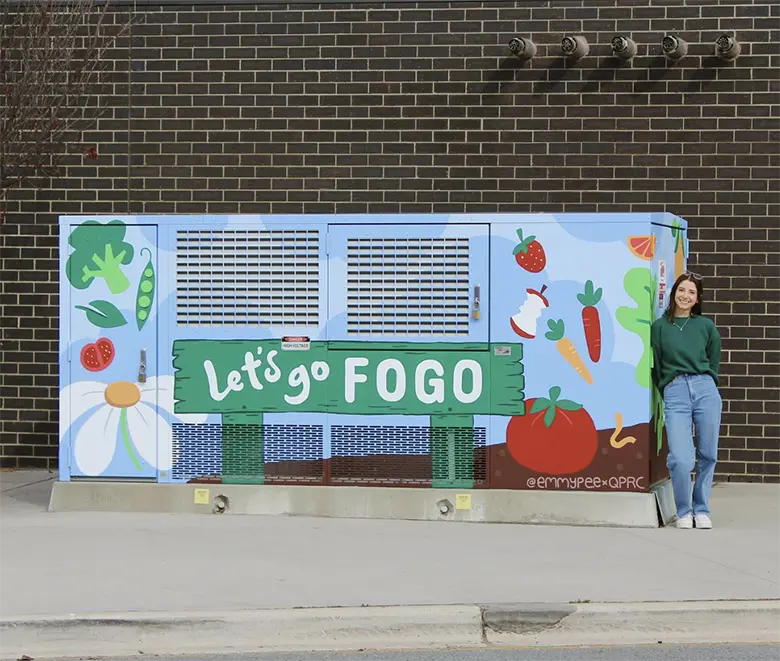
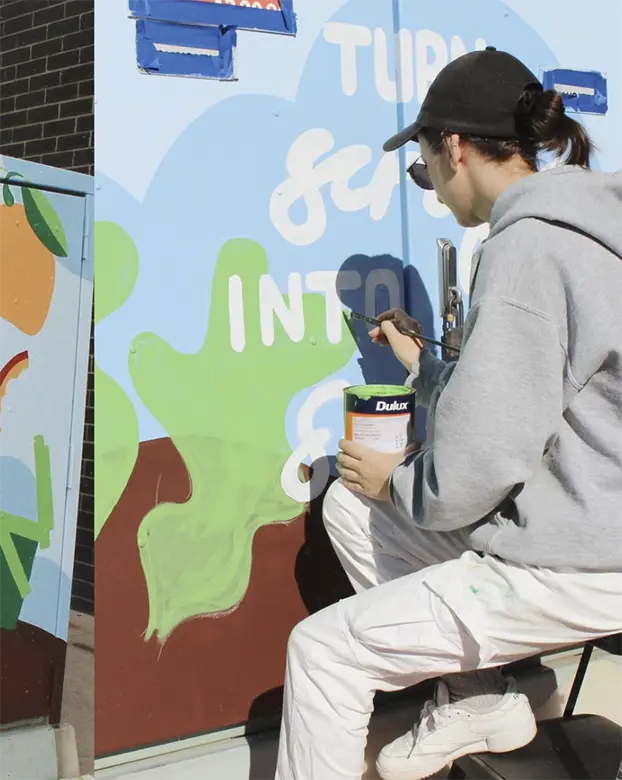
Think of a community group helping neighbours reduce waste, an Indigenous ranger sharing stories of Country or a local artist painting a mural that starts a conversation.
These are all acts of environmental education.
One of my own examples comes from volunteering at swing dancing events a decade ago.
What began as a simple waste-reduction effort with composting systems, clearer signage and better communication for our event, grew into something much bigger.
Soon, people were sharing their home composting setups, the permaculture courses they’d taken, and sustainability became part of event planning from the start.
That experience also sparked my fascination with behaviour change communications and led me from environmental campaigning into waste education and policy development.
None of these steps were part of a formal education program, they were just people learning through community, conversation and care.
Environmental educators are connectors, facilitators and storytellers.
We come from many professions, but share a single purpose: helping others understand and care for the environment.
At AAEE, that’s the thread that binds us together, whether we’re teachers, academics, policy advisors, community organisers or landscape designers.
People like us turn awareness into action.
Calling yourself an environmental educator isn’t just about language, it’s about belonging to something bigger, and helping others see that they belong too.